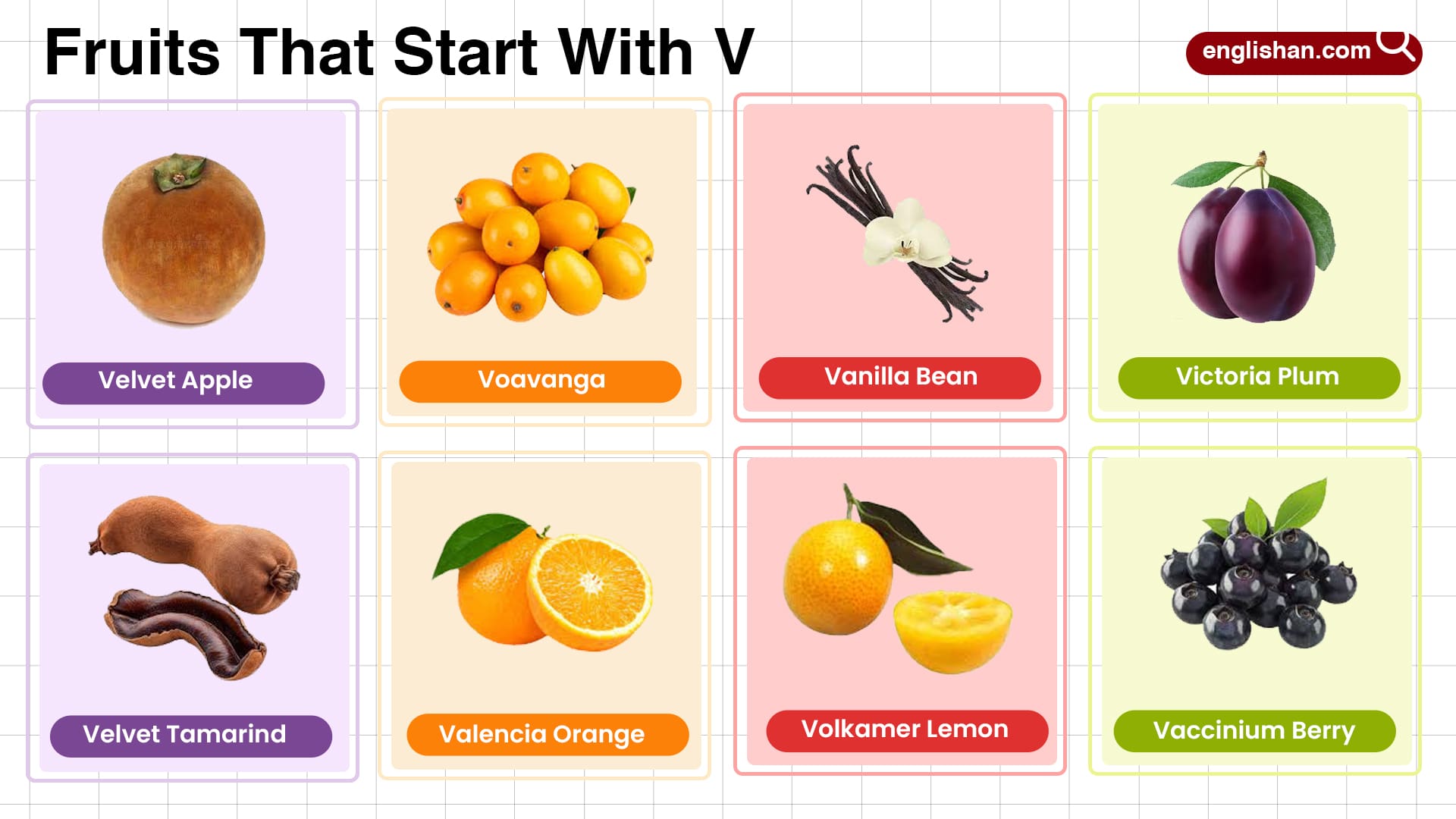
When thinking about the vast and diverse world of fruits, certain letters of the alphabet seem to offer an abundance of options, while others present a delightful challenge. The letter 'V' falls into the latter category, hosting a collection of fruits that are often exotic, unique, and perhaps lesser-known to the average consumer. Far from being common staples, the fruits that start with V introduce us to a fascinating realm of flavors, textures, and nutritional benefits, often hailing from tropical and subtropical regions across the globe. Exploring these unique varieties not only expands our culinary horizons but also deepens our appreciation for botanical diversity.
Unveiling the Exotic World of V-Fruits
The journey to discover fruits that start with V is an exciting one, leading us to fascinating specimens that range from sweet and succulent to tart and aromatic. These aren't typically found in your local grocery store's conventional produce aisle, but rather in specialty markets, international stores, or if you're lucky, growing in their native habitats. Their rarity often adds to their allure, making them prized finds for adventurous eaters and culinary enthusiasts alike.
The Vibrant Velvet Apple (Diospyros blancoi)
One of the most striking fruits that start with V is the Velvet Apple, also known as Mabolo. Native to the Philippines, this fruit truly lives up to its name with a skin that is densely covered in fine, reddish-brown hair, giving it a velvety texture. Once peeled, the fruit reveals a creamy, pinkish-white flesh that offers a unique taste profile – often described as a mix between apple and banana, with hints of peach or even berries. Some varieties have a mild cheese-like aroma when unripe, which dissipates as they mature.
- Appearance: Round or ovoid, 5-10 cm in diameter, with a distinctive reddish-brown, fuzzy skin.
- Taste: Sweet, creamy, often compared to apple, peach, or banana.
- Nutritional Value: Rich in dietary fiber, vitamins A and C, calcium, and iron. It also contains antioxidants.
- Culinary Uses: Best eaten fresh, peeled and sliced. It can also be used in fruit salads, desserts, or processed into jams and jellies.
When selecting a Velvet Apple, look for fruits that are firm but yield slightly to gentle pressure. Its unique appearance and delightful flavor make it a memorable experience for anyone lucky enough to try it.
Vanilla Bean (Vanilla planifolia) – A Fruit with a Twist
While commonly thought of as a spice, the Vanilla Bean is botanically a fruit – specifically, the fruit of the vanilla orchid. These long, slender pods, harvested primarily from Mexico, Madagascar, and Indonesia, undergo a meticulous curing process that develops their renowned aromatic qualities. Vanilla is arguably one of the most beloved and widely used flavorings in the world, adding depth and warmth to countless dishes.
- Appearance: Long, dark brown or black pods, typically 15-25 cm in length.
- Aroma & Taste: Rich, sweet, creamy, and highly aromatic.
- Origin: Native to Mexico, now widely cultivated in tropical regions globally.
- Uses: Primarily culinary, used to flavor desserts, beverages, baked goods, and even some savory dishes. It's also used in perfumes and aromatherapy.
Using a whole vanilla bean can elevate any dish. To extract the flavor, simply split the pod lengthwise and scrape out the tiny, fragrant seeds. Don't discard the spent pod, it can be steeped in sugar or spirits to infuse additional flavor.
Exploring More Unique Fruits That Start With V
Beyond the more recognized Velvet Apple and the surprising Vanilla Bean, the list of fruits that start with V extends to several other fascinating, albeit often obscure, varieties. These fruits contribute significantly to local diets and traditional practices in their native regions, showcasing the incredible biodiversity of our planet.
The Enigmatic Voavanga Fruit (Vangueria madagascariensis)
Hailing from Madagascar, the Voavanga fruit is a true tropical delight, though largely unknown outside its native region. This fruit grows on a small tree and is a staple in the diet of many Malagasy people. It's often compared to an apple in texture but with a uniquely tropical, somewhat acidic flavor that makes it incredibly refreshing.
- Appearance: Round to ovoid, with a smooth, firm skin that ripens from green to yellow or orange.
- Taste: Sweet and sour, often described as a blend of apple, citrus, and apricot.
- Traditional Uses: Eaten fresh, used in jams, juices, and traditional medicines. The seeds are also edible.
- Nutritional Aspects: A good source of vitamin C and dietary fiber.
The Voavanga offers a burst of tropical flavor that is both invigorating and satisfying. It's a testament to the hidden gems waiting to be discovered in the world of fruits.
Vismia – A Tropical Treasure (Various species like Vismia baccifera, Vismia guianensis)
Less commonly known as a distinct fruit in consumer markets, Vismia refers to a genus of flowering plants whose fruits are consumed in certain regions of Central and South America. These small, berry-like fruits are often tart and astringent, typically processed rather than eaten raw. Different species of Vismia produce fruits with varying characteristics, but they are generally appreciated for their medicinal properties in traditional practices.
- Appearance: Small, round to ovoid berries, varying in color depending on the species (e.g., green, yellow, purplish-black).
- Taste Profile: Often described as tart, acidic, and sometimes resinous.
- Regional Uses: Primarily used in traditional medicine, sometimes processed into juices or infusions for their perceived health benefits.
- Medicinal Properties: Rich in antioxidants and compounds with anti-inflammatory and antimicrobial properties.
While not a fruit you'd typically find for snacking, Vismia highlights the vast array of plant-based foods that hold cultural and medicinal significance in various parts of the world.
Nutritional Powerhouses and Culinary Uses of V-Fruits
Even though fruits that start with V might not be as common as apples or oranges, they are by no means lacking in nutritional value or culinary versatility. Many of these exotic fruits are packed with essential vitamins, minerals, and antioxidants, offering unique health benefits that contribute to a well-rounded diet.
- Rich in Vitamins: Fruits like the Velvet Apple and Voavanga are often excellent sources of Vitamin C, vital for immune function and skin health, and Vitamin A, important for vision.
- Dietary Fiber: Most fruits, including these 'V' varieties, are good sources of dietary fiber, which aids digestion, helps maintain healthy blood sugar levels, and contributes to satiety.
- Antioxidant Properties: The vibrant colors and unique compounds in many exotic fruits often indicate a high content of antioxidants, which combat free radicals and reduce oxidative stress in the body.
Incorporating V-Fruits into Your Diet
While finding these fruits might require a bit of an adventure, the rewards are well worth the effort. Here are some practical tips and ideas:
- Seek Specialty Markets: Your best bet for finding Velvet Apples or other exotic V-fruits is at Asian or international grocery stores, especially those specializing in Filipino or Southeast Asian produce.
- Explore Online Retailers: For items like high-quality vanilla beans or even preserved exotic fruit products, online specialty food stores can be a great resource.
- Fresh Consumption: Many V-fruits, like the Velvet Apple, are best enjoyed fresh and raw. Simply peel and slice them to savor their unique flavors.
- Smoothies and Juices: If you find a fruit with a strong or unusual flavor, blending it into a smoothie with other complementary fruits (like bananas or mangoes) can create a delicious and nutritious drink. Voavanga, with its sweet-sour profile, would be excellent in a tropical smoothie.
- Desserts and Baking: Vanilla beans are, of course, a staple here. But consider experimenting with Velvet Apple in pies, tarts, or even homemade ice cream for an exotic twist.
- Jams and Preserves: Fruits with a good balance of sweetness and acidity, like Voavanga, are ideal for making homemade jams, jellies, or chutneys.
Practical Tip: When trying new exotic fruits, always start with a small amount to ensure no adverse reactions. Also, research the best way to prepare and consume them, as some may have specific preparation requirements (like the Velvet Apple's fuzzy skin needing to be peeled).
The Rarity and Importance of Biodiversity
The relative obscurity of many fruits that start with V highlights a crucial aspect of global food systems: biodiversity. Many of these fruits are native to specific regions, often cultivated by small-scale farmers or gathered from wild trees. Their limited commercial availability often stems from challenges in cultivation, transport, or shelf life. However, preserving these unique varieties is incredibly important for several reasons:
- Genetic Diversity: Each fruit variety represents a unique genetic blueprint, which can be vital for developing more resilient crops in the face of climate change and evolving plant diseases.
- Nutritional Security: Indigenous fruits often provide essential nutrients to local populations, forming a significant part of traditional diets.
- Cultural Heritage: Many of these fruits are deeply intertwined with the cultural practices, culinary traditions, and medicinal knowledge of indigenous communities.
- Flavor Exploration: For the adventurous palate, these fruits offer an exciting range of novel tastes and aromas that enrich our global culinary landscape.
By exploring and appreciating fruits that start with V and other lesser-known varieties, we contribute to a broader understanding and support for agricultural biodiversity. Continue your exploration of unique and fascinating fruits by checking out fruits that start with v - Article 2 and fruits that start with v - Article 3, which delve even deeper into specific types and their incredible stories.
In conclusion, while the list of fruits that start with V may not be as extensive as some other letters, the varieties it does offer are truly exceptional. From the velvety texture and sweet taste of the Mabolo to the universally beloved aroma of the vanilla bean, and the tart refreshment of the Voavanga, these fruits invite us to step outside our comfort zones and explore the rich tapestry of nature's bounty. Discovering these unique V-fruits is more than just a culinary quest; it's an opportunity to appreciate botanical diversity, support sustainable practices, and enrich our diets with exciting new flavors and essential nutrients. So, the next time you're looking for something extraordinary, remember the vibrant world of fruits beginning with 'V'.
